Chargers that paid for themselves
Four deployments across fleet, highway, residential and utility — each with the industry, the requirement, the configuration we shipped, and the number that proved it out.

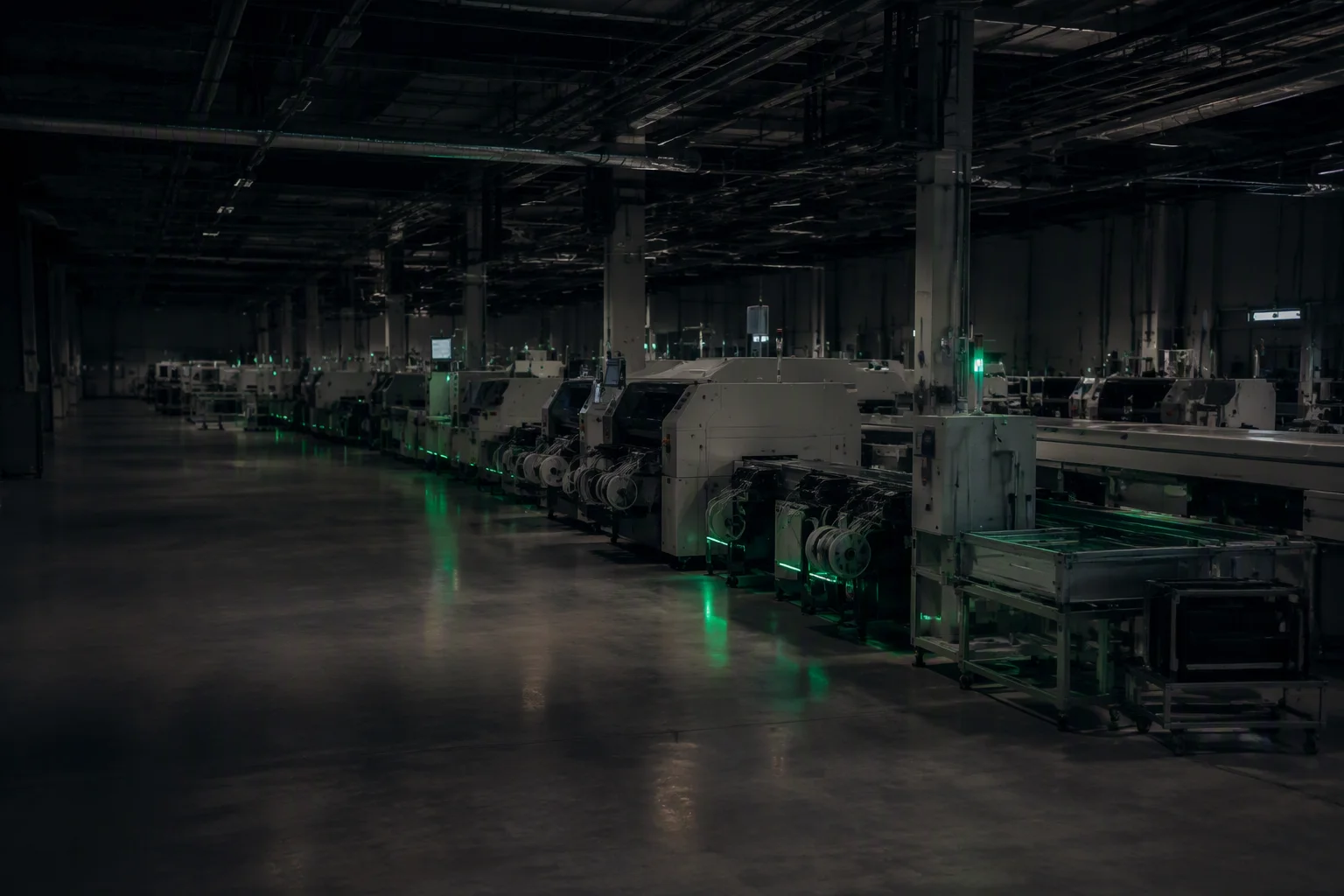
600+ kWh e-trucks charged at overnight rates.
Need: 73% of fleet operators rank energy procurement cost as their top concern — above charge speed. A depot has to refill large batteries without paying midday peak rates.
Solution: DC 150–400 kW chargers with OCPP 2.0.1, scheduled to charge off-peak and shaped against the depot's demand curve.
- Result: fuel and maintenance costs down 25–40% versus diesel.
- Result: 45-minute top-ups keep route flexibility without a mid-day charge.
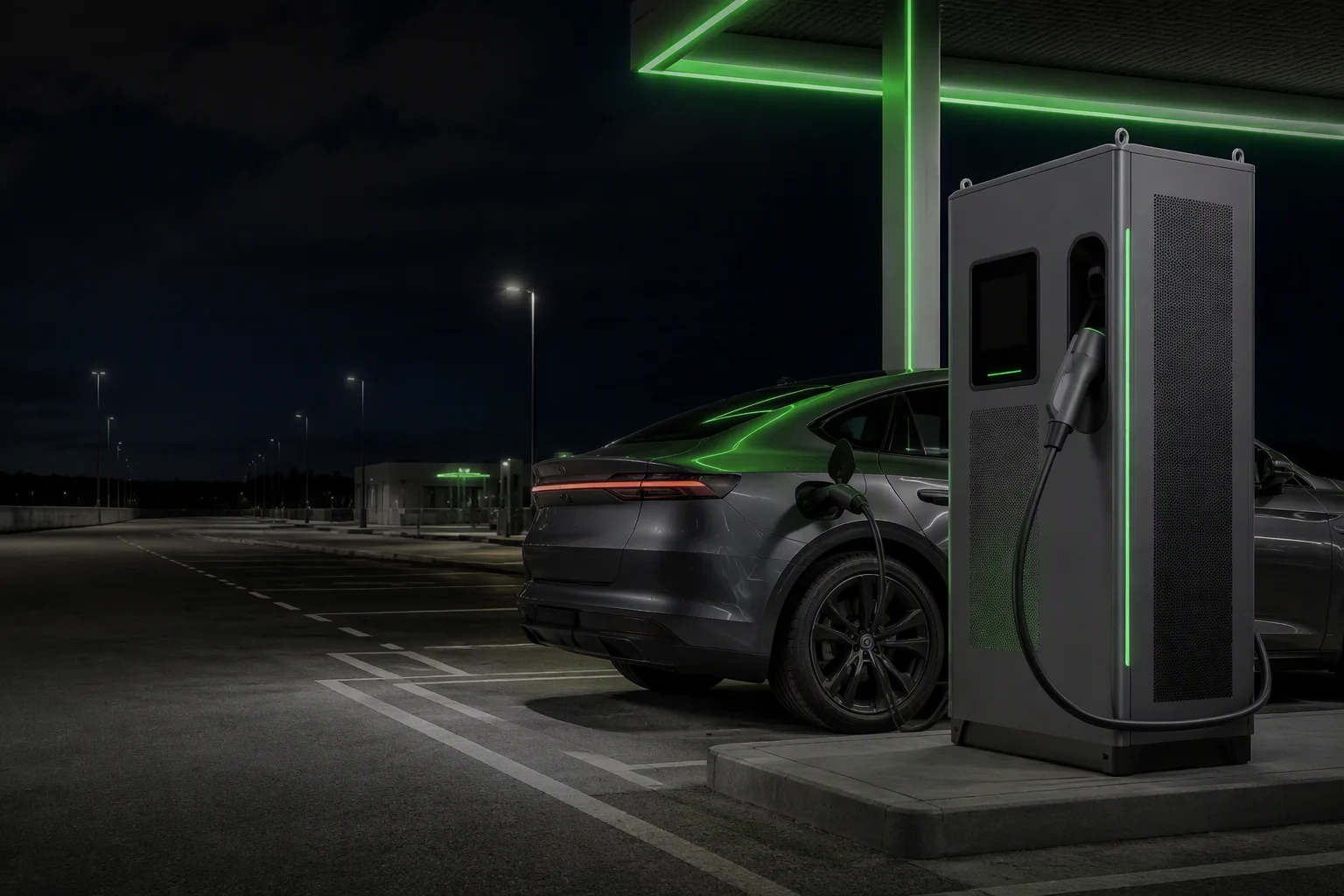
More than 97% uptime on an AFIR corridor.
Need: AFIR requires 400 kW every 60 km along the TEN-T network, and the industry's 14% failure rate is a non-starter for a public corridor.
Solution: 240–360 kW liquid-cooled chargers with split power cabinets, hot-swappable modules and remote OTA for overnight fixes.
- Result: more than 97% uptime across the network.
- Result: 20 minutes to 80% keeps dwell time corridor-appropriate.
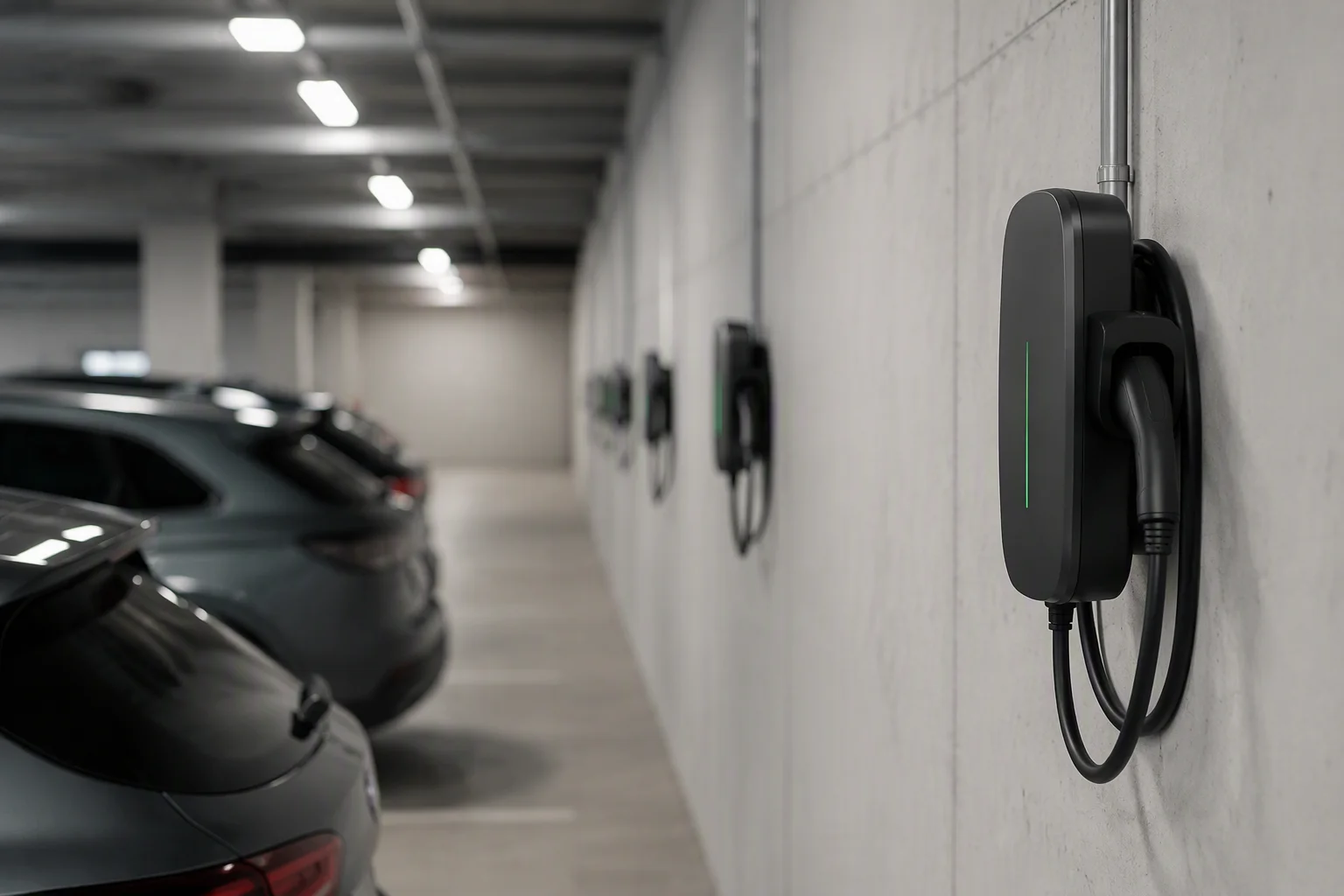
Load sharing without a grid upgrade.
Need: renters struggle to charge more than twice as often as homeowners, and a building's spare electrical capacity is the binding constraint.
Solution: AC 7–22 kW wallboxes with dynamic load balancing, OCPP per-unit billing and RFID access for each resident.
- Result: full-building charging delivered without grid expansion.
- Result: each tenant billed to their own meter and account.
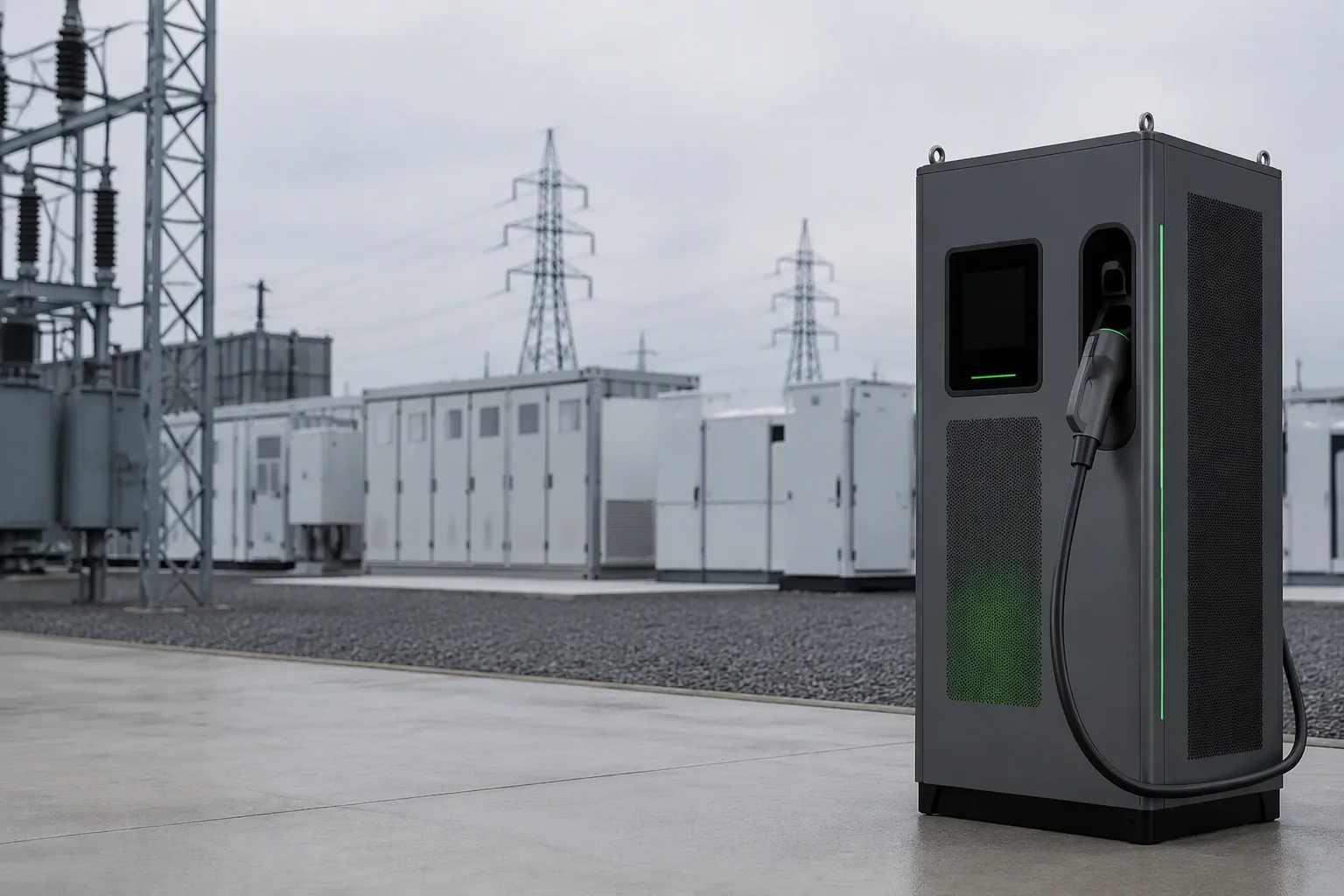
$3,359 per vehicle per year back to the grid.
Need: vehicles sit idle 96% of the time. A utility wants that parked capacity as a grid asset, not a cost center.
Solution: bidirectional chargers with ISO 15118-20 and virtual-power-plant aggregation, dispatched against real-time grid signals.
- Result: $3,359 per car per year in energy revenue.
- Result: zero battery degradation after one year of V2G cycling.
Add your site to the list.
Tell us your industry, power level and location — we reply within 48 hours with a reference case that matches and a quote.
Send Inquiry